







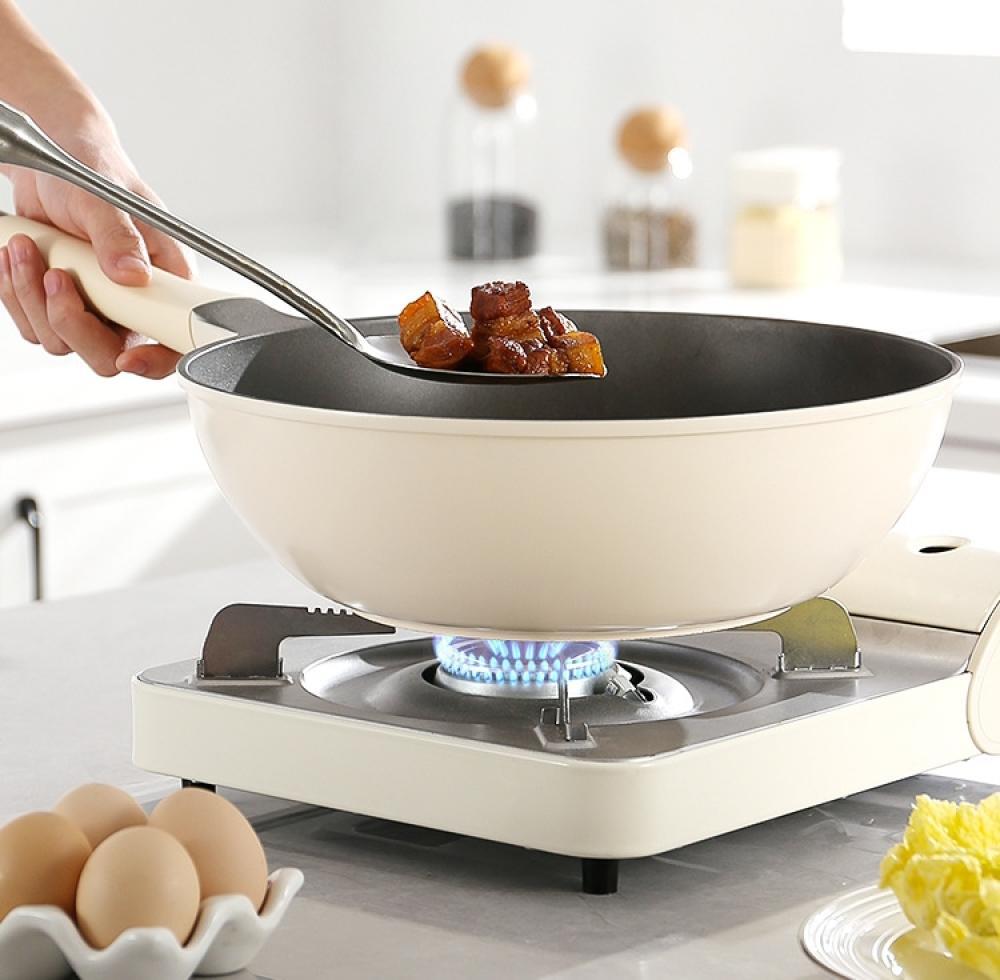
For years, there has been a search for the perfect blend of performance, ease of use, and, most importantly, safety in our pots and pans. That search often leads us straight to ceramic cookware.
Ceramic cookware provides several health benefits for everyday cooking. It’s non-toxic and chemical-free, so no harmful substances leach into your food. Its even heat distribution helps preserve nutrients, while non-stick surfaces let you cook with less oil. This makes every meal safer, healthier, and more flavorful.
At Global Reach Ceramic, we have been mastering the art and science of ceramic production for more than 25 years as China’s leading ceramic manufacturer. Since our founding in 1999, we have dedicated ourselves to crafting high-quality ceramic and porcelain products that bring art, function, and elegance to homes and businesses across the globe.
If you've been wondering why so many health-conscious home cooks are making the switch, you're in the right place. We're diving deep into the world of this popular kitchen staple to explore the significant health benefits of ceramic cookware and explain exactly why it’s considered a top non-toxic ceramic cookware option today.
Ceramic cookware is made from natural minerals like clay and minerals, fired at high temperatures to create a durable, non-toxic cooking surface. It’s non-stick, chemical-free, and safe for a variety of cooking methods, making it a healthy choice for everyday meals.
The term "ceramic cookware" can be a little confusing because it often refers to two different things:
This sol-gel layer is what gives the pans their signature smooth, non-stick, and brightly colored finish. Importantly, this coating is entirely different from older, synthetic non-stick coatings, making it a powerful choice for those focused on safe ceramic cookware.
Unlike traditional non-stick pots and pans which are coated with synthetic substances like PTFE (Polytetrafluoroethylene, often branded as Teflon), ceramic coatings follow a mineral-based process:
Because the coating is naturally occurring and mineral-based, the final product is free from the synthetic chemicals often associated with older non-stick surfaces, answering the primary question about finding healthy ceramic cookware.
When we shop for ceramic cooking pans and pots, we mainly find 3 categories:
1. Ceramic-Coated Aluminum: This is the most common and affordable type. Aluminum is lightweight and heats up quickly and evenly, making it excellent for daily use. The ceramic layer ensures a non-stick ceramic cookware surface that is easy to clean.
2. Ceramic-Coated Stainless Steel: This is a more durable and heavier option. Stainless steel bases provide superior strength and are generally compatible with all stovetops, including induction (though you should always check the manufacturer’s label).
3. 100% Solid Ceramic: These items, like tagines, casserole dishes, and some baking pans, are pure clay-based ceramic. They don't have a coating; the entire pot is the material. They are superb for slow, even cooking and are perfect for oven use, offering unmatched chemical-free cookware.
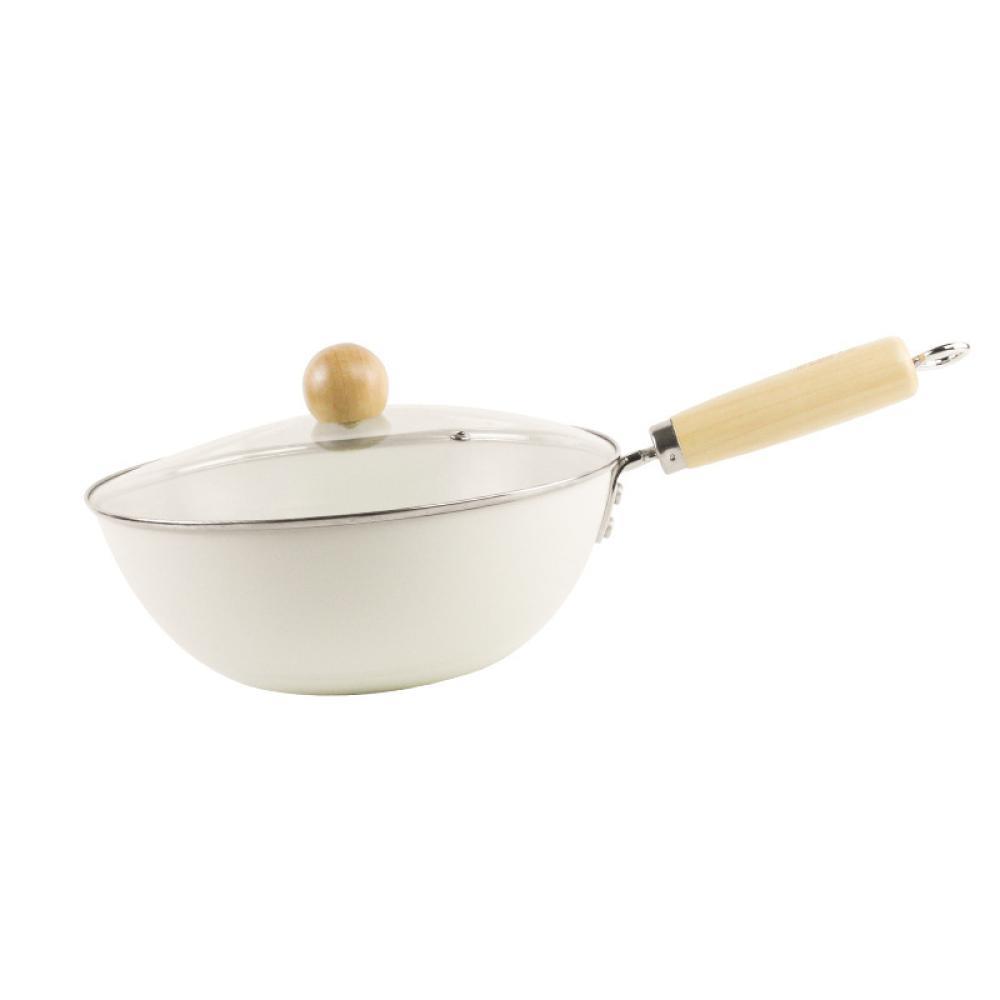
The health and wellness advantages of making the switch to ceramic are profound. Here are the top seven reasons why this cookware is a safer and healthier choice for your kitchen:
This is the single biggest reason for the switch. The ceramic coating process is naturally derived, meaning it’s manufactured without the use of PFOA (Perfluorooctanoic acid), lead, cadmium, and, most notably, PTFE (Teflon).
PFOA and PTFE have been linked to health concerns, especially when the pans are overheated. With non-toxic ceramic cookware, you eliminate this worry entirely, securing a genuinely safer cooking environment.
The inherent properties of the ceramic finish create a fantastic non-stick surface. This allows you to cook scrambled eggs, fish, and pancakes using significantly less oil or butter than required in traditional stainless steel or cast iron. Cooking with less fat is one of the easiest ways to promote a heart-healthier diet without sacrificing flavor, directly contributing to a healthy ceramic cookware lifestyle.
If you’ve ever accidentally left an empty pan on a burner, you know how quickly some cookware can reach extreme heat. Older non-stick pans can begin to break down and release fumes at temperatures above 570 °F (300°C). However, ceramic cookware is manufactured at extremely high heats, making it stable and safe even if you push the temperature up a bit too high during a busy cooking session.
Because ceramic transfers heat so evenly across its surface, your food cooks uniformly. This ability to cook quickly and evenly minimizes the risk of scorching or overcooking, helping to preserve the natural nutrients, vitamins, and flavors in your ingredients. When you don't need to cook food at excessively high heats for long periods, more of the good stuff stays in your meal.
While a quality stainless steel pan is very safe, cheaper, lower-grade metals can sometimes leach small amounts of metals like nickel or chromium into highly acidic foods. Because the ceramic coating acts as an inert barrier between the metal core and your food, you eliminate the risk of any metal leaching, even when simmering acidic meals for long periods.
While not a direct "health" benefit, the ease of cleaning contributes significantly to hygiene. The slick non-stick ceramic cookware surface means food residue simply wipes away. This makes it easier to sanitize your pans thoroughly and discourages you from using harsh, abrasive detergents that can leave chemical residues behind. A quick, simple wash is all that’s needed.
When synthetic non-stick coatings are overheated, they can release polymer fumes into your kitchen air. While these fumes are generally harmless to humans in small amounts, they can be dangerous to small birds and can certainly impact indoor air quality. By using non-toxic ceramic cookware, you ensure that the air you and your family breathe while cooking remains clean and free of chemical vapors.
To truly appreciate the ceramic cookware benefits, it helps to compare it directly with its popular competitors.
| Feature | Ceramic Coated Cookware | Traditional Non-Stick | Stainless Steel | Cast Iron |
| Non-Toxic Coating | Yes (Mineral-based, PFOA / PTFE-free) | No (Synthetic, contains PTFE) | No (Requires oil / fat) | No (Requires seasoning) |
| High-Heat Safety | Excellent (Stable at high temperatures) | Poor (Can release fumes when overheated) | Excellent | Excellent |
| Ease of Cleaning | Excellent (Wipes clean) | Good | Fair (Requires scrubbing) | Fair (Careful seasoning needed) |
| Chemical Leaching | None (Inert barrier) | Potential (If coating is scratched) | Minimal (Possible with acidic food) | None (Can leach iron) |
| Best Health Feature | Chemical-free cooking | Ease of low-fat cooking (only while intact) | Durability | Natural Iron Supplementation |
A common question is: "What happens when the ceramic coating scratches?"
When a traditional synthetic non-stick coating scratches, there's a real concern about the PTFE flaking into your food. With a quality non-toxic ceramic cookware piece, a scratch only exposes the inert core material underneath (usually aluminum or stainless steel). While the non-stick properties may be compromised in that spot, the material exposed is not a health hazard.
To ensure long-lasting ceramic cookware, we recommend using wooden or silicone utensils and avoiding extreme temperature changes (like plunging a hot pan into cold water). With proper care, these pans can offer years of safe, reliable cooking.
To get the most out of your investment and maximize the safe ceramic cookware benefits, follow these simple tips:
The decision to select healthy ceramic cookware is a vote for better, safer cooking. By eliminating harmful chemicals, supporting low-fat cooking, and offering superior ease of use, ceramic pots and pans have earned their place as one of the best choices for the modern kitchen.
If you are seeking competitive pricing, guaranteed ceramic quality, and a dedicated manufacturing partner for ceramic cookware, look no further. When you put your trust in Global Reach Ceramic, you are selecting a partner whose reliability has been vetted and proven by leading global brands.
Partner with Global Reach Ceramic today. Explore our wide range of ceramic products and contact us today to discuss a wholesale opportunity and let us bring your next custom ceramic cookware design to life.
No, high-quality non-toxic ceramic cookware that utilizes the sol-gel coating process is celebrated precisely because it is manufactured to be PFOA, PTFE, lead, and cadmium-free. The coating is inert, meaning it won't leach chemicals or release toxic fumes into your food or air, even if accidentally overheated.
Yes, absolutely. The non-stick property of the ceramic coating comes from its smooth, slick, naturally derived silica (sand) material, not synthetic PTFE (Teflon). It provides excellent release properties, which is why it's a top choice for non-stick ceramic cookware.
It depends on the base material. If the ceramic-coated cookware has a base made of stainless steel or includes a magnetized steel plate bonded to an aluminum core, then it is compatible with induction stoves. Always check the packaging for the "Induction Compatible" symbol.
The lifespan of long-lasting ceramic cookware is directly related to its usage and care. Typically, a high-quality set can last 3 to 5 years with proper maintenance. Avoiding high heat, using soft utensils, and hand washing are key to maximizing its longevity.
It promotes healthier cooking in two primary ways - firstly, it removes the risk of synthetic toxins from your cooking process, offering safe ceramic cookware. Secondly, the superior non-stick surface allows you to achieve perfect cooking results using minimal oil or butter, supporting a low-fat cooking cookware style.
2026-04-02
2026-04-02
2026-01-19
2026-01-19
2025-12-17
2025-12-17
2025-12-04
2025-12-04