







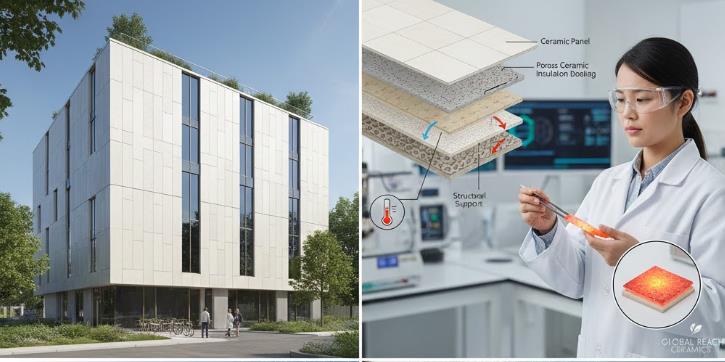
Ceramic materials improve energy-efficient buildings by reducing heat transfer, lowering energy use, and keeping indoor spaces more comfortable. With strong thermal resistance and durable high-performance ceramics, they support long-lasting insulation. Ceramic coatings for energy efficiency add another layer of protection, helping buildings stay cooler in summer and warmer in winter.
At Global Reach Ceramics, we design and manufacture high-quality ceramic materials that can help reduce energy costs, improve comfort, and last longer without constant maintenance. Being the top wholesale ceramics manufacturer in China, we are committed to excellence, and we ensure all our ceramic products meet the highest quality standards.
In this guide, we’ll walk you through the real impact and benefits of ceramic materials in energy-efficient buildings. Let's explore the science behind eco-friendly ceramics in simple language, and learn how ceramic materials actively reduce heat transfer, support long-term insulation, and keep buildings more comfortable all year round.
Ceramic construction materials range from familiar clay-based products to advanced engineered options designed for higher performance. They all start with natural raw minerals fired at high temperatures, but modern ceramics now offer far more than basic clay. In today’s buildings, we use a mix of traditional and high-performance ceramics, each contributing different strengths to energy-efficient design.
Alongside familiar options like clay tiles and terracotta, we now work with engineered ceramics such as alumina, zirconia, mullite, and even ceramics reinforced with elements like silicon carbide or molybdenum. These materials might sound a bit technical, but they bring real, practical benefits to construction.
Alumina, for example, is known for its impressive hardness and thermal stability, which is why it performs so well in areas exposed to high heat. Mullite offers strong thermal shock resistance, making it a popular choice in insulation systems. Molybdenum-based ceramics are valued for their strength and ability to handle extreme temperatures without deforming.
Ceramics come from simple, natural materials that we’ve relied on for centuries. Most ceramic products start with things like clay, stoneware, water, and mineral-rich powders that are mined or collected from the earth. These raw materials are shaped, dried, and then fired at high temperatures until they harden into strong, long-lasting forms.
What makes ceramic construction materials unique is their composition. They’re inorganic, nonmetallic, and naturally hard, which is why they hold up so well in buildings. Common ingredients include oxides and nitrides, along with minerals such as quartz, feldspar, kaolin, alumina, zirconia, silicon carbide, and boron carbide.
Each one brings a specific benefit, whether it’s higher strength, better heat resistance, or improved stability. Thanks to this mix, ceramics offer excellent durability and resist corrosion, chemicals, and everyday wear.
In modern building design, we use ceramic construction materials in a wide range of applications because they’re stable, long-lasting, and environmentally friendly. The most well-known examples include ceramic tiles, façade panels, bricks, and roofing materials. But that’s just scratching the surface.
You’ll also find ceramics in insulation layers, wall systems, acoustic tiles, fire-resistant barriers, and even in high-tech window coatings. Many of these products take advantage of the thermal resistance of ceramics to help buildings reduce energy use.
When we combine these materials with ceramic coatings for energy efficiency, the result is a building envelope that manages heat far better than standard materials. The versatility is exactly why architects and engineers trust ceramics in both residential and commercial projects.
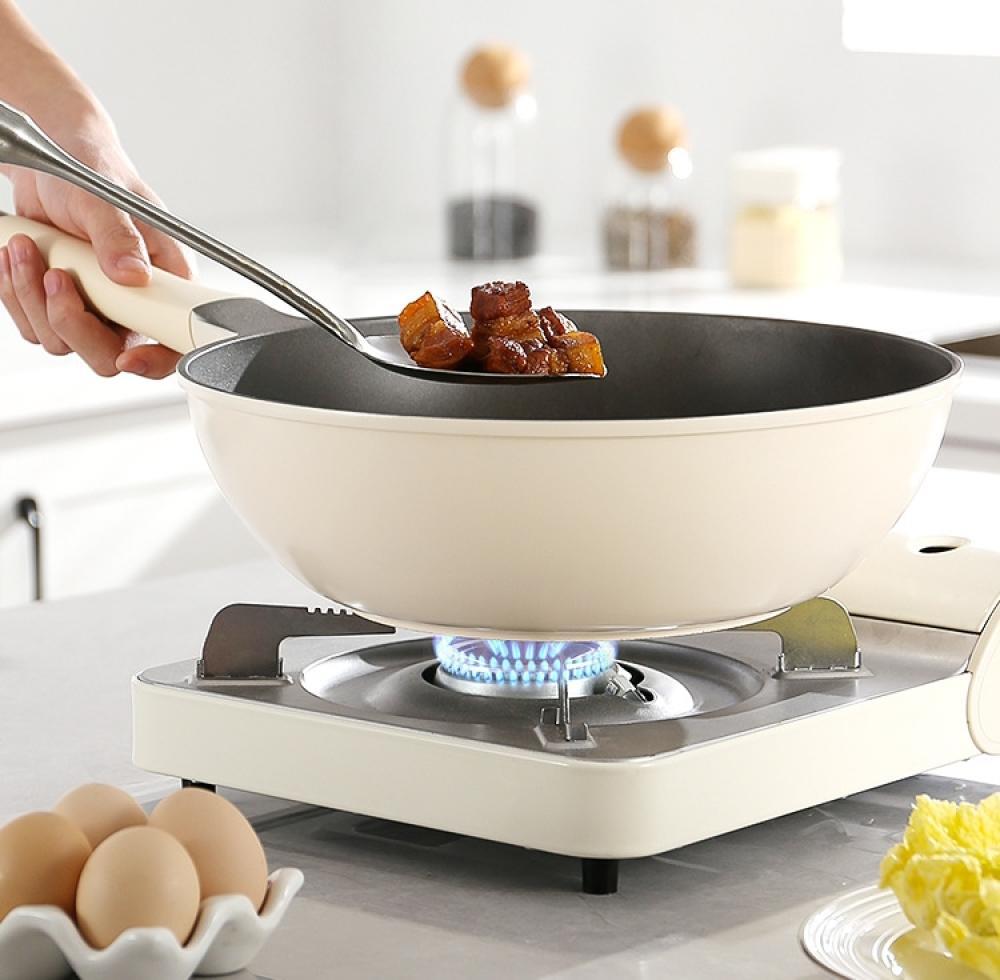
There isn’t just one kind of ceramic used in buildings. We rely on several categories, each offering its own strengths depending on where and how it’s used. Some are better for structure, some for insulation, and others for surface protection. Here’s a simple breakdown to help make sense of the main types you’ll find in the construction world.
These are the materials most of us grew up seeing: clay bricks, terracotta blocks, ceramic tiles, and roofing pieces. They’re dependable, affordable, and naturally stable. Traditional ceramics still play a huge role in modern construction because they offer solid durability, weather resistance, and the steady thermal insulation of ceramics that helps regulate indoor temperatures.
As buildings have become more complex, we’ve seen a rise in high-performance ceramics designed to handle heavier loads, higher temperatures, and more demanding environments. These include materials like alumina, mullite, zirconia, and heat-resistant composites.
Their biggest strength is that they maintain stability where many standard materials start to weaken. Because their thermal resistance is much higher, they work well in façades, fireproofing systems, and insulation boards.
Technical ceramics - sometimes called engineering ceramics - are used in aerospace, medical devices, electronics, and manufacturing for years. These materials are engineered at a much more precise level, often using compounds like silicon carbide, alumina, zirconia, and even molybdenum-based blends.
Technical ceramics stand out because they offer strength, heat stability, and low thermal conductivity. They improve the overall thermal insulation of ceramics in building systems, especially when energy efficiency matters. They help create a building envelope that controls heat far better than traditional materials.
While not structural materials, ceramic coatings deserve mention here because they’re becoming more common in energy-efficient buildings. These coatings rely on tiny ceramic particles to reduce heat absorption, reflect solar radiation, and protect surfaces from wear. Even a thin layer can help improve a building’s insulation performance and keep indoor temperatures more balanced.
Ceramic is widely viewed as an eco-friendly option. These combined advantages make ceramics a naturally eco-friendly choice for modern, energy-efficient buildings:
When a material has high thermal resistance, it slows down the transfer of heat. This property is crucial for energy-efficient buildings. If your walls, roofs, or façades allow heat to pass through easily, you’ll need far more electricity or fuel to maintain indoor temperatures. The thermal resistance of ceramics is one of the biggest reasons they’re becoming so popular in construction.
Ceramic materials handle heat in a unique way. Because many ceramics contain millions of tiny air pockets, heat struggles to travel through them. Air is naturally a poor conductor of heat, so whenever a material traps air, thermal insulation improves.
Some modern ceramic products have thermal conductivity values ranging from 0.15 to 0.40 W/m·K, depending on the level of porosity. To put that into perspective, lower numbers mean better insulation. These values are competitive with some polymer-based insulators, but with an extra advantage: ceramics can maintain this insulation even under high temperatures.
Here’s a quick look at how different materials compare:
| Material | Typical Thermal Conductivity (W/m·K) | Notes |
| Porous ceramic insulation | 0.15 – 0.40 | Strong thermal resistance, temperature-stable |
| Aerated concrete | 0.12 – 0.25 | Good insulator but less durable |
| Standard brick | 0.60 – 1.00 | Lower insulation |
| Dense ceramic tile | 1.0 – 1.6 | Strong but not used as insulation layer |
When you’re selecting a material for energy-efficient building design, this kind of consistency matters. Compared to many organic insulation products, ceramics simply don’t degrade or lose performance over time.
High-performance ceramics are engineered to offer properties beyond what traditional ceramics provide. They can be stronger, lighter, more thermally stable, and more resistant to moisture or chemicals. For buildings, that translates into better long-term value.
In our experience, many builders choose high-performance ceramics because they’re predictable. They don’t warp, they don’t rot, and they don’t lose insulation value after years of use. You install them once, and they do their job quietly for decades.
Another major benefit of high-performance ceramics is durability. A typical ceramic façade can last 50 years or more, often without repainting or surface treatment. For property owners, this means real savings over the lifetime of a building - not just on energy, but also on maintenance.
Many modern ceramic construction materials combine insulation with mechanical strength. Engineers can design ceramic panels that act as both exterior cladding and an insulating barrier, reducing the need for multiple layers and speeding up construction.
Ceramic coatings for energy efficiency are one of the most exciting advancements we work with today. These coatings use microscopic ceramic particles that reflect heat, block infrared radiation, and help maintain stable indoor temperatures.
In hot climates, reflective ceramic coatings can reduce roof surface temperatures by 15-25°C during peak sunlight. That temperature drop alone can reduce cooling system loads by up to 20%, depending on building design.
The beauty of ceramic coatings is that they’re easy to apply and can instantly improve the energy efficiency of old buildings as well as new ones. We’ve seen ceramic coatings used successfully on:
Modern nano-ceramic coatings are extremely thin yet highly efficient. The nano-particles increase surface reflectivity and improve weather resistance without making the coating heavy or thick. This is especially helpful for structures that cannot handle extra weight.
Ceramic tiles have long been used in warm climates because they naturally reflect sunlight. Today’s ceramic construction materials take that a step further with engineering enhancements that increase reflectivity and boost overall energy efficiency.
Porous ceramic insulation boards are gaining global attention. These boards offer excellent thermal insulation of ceramics, remain stable at high temperatures, and resist moisture - a combination that reduces mold risks and improves building longevity.
Special ceramic-based glazes used in windows can filter infrared radiation and reduce unwanted heat gain. These glazes are common in energy-efficient commercial buildings because they maintain visibility while reducing reliance on cooling systems.
Ceramics don’t release harmful chemicals or gases. They’re completely inert, so they don’t contribute to indoor air pollution. Many homeowners today prioritize this safety, especially when designing children’s rooms, schools, and healthcare facilities.
Ceramic products don’t break down easily, and that’s exactly what makes them environmentally friendly. You’re not replacing them every few years, and when they do reach end-of-life, many ceramic materials can be crushed and recycled for new construction uses.
Ceramic materials are naturally fire-resistant. They don’t burn, melt, or release toxic smoke, which improves building safety. They’re also highly moisture-resistant, making them ideal for humid or coastal regions.
Ceramic materials work extremely well, but like any product, they have limitations. Here are a few honest factors we always share with clients:
However, when you look at the full lifespan of a building, ceramics usually deliver more value because they reduce energy consumption, maintenance costs, and long-term degradation.
When you think about where the world is heading - rising energy prices, hotter summers, and stricter sustainability standards - ceramic construction materials feel almost future-proof. They fit naturally into the goals of energy-efficient buildings because they combine strength, durability, and excellent thermal insulation.
The thermal resistance of ceramics gives buildings a major energy advantage. High-performance ceramics provide structural reliability and longevity. Ceramic coatings for energy efficiency offer quick and effective improvements, even for existing buildings. And the thermal insulation of ceramics helps reduce temperature fluctuations, keeping indoor spaces comfortable year-round.
All of this makes ceramics one of the most reliable choices for sustainable construction.
We believe the next generation of energy-efficient buildings will rely heavily on materials that are safe, durable, and naturally efficient. Ceramics align perfectly with that vision.
As China’s biggest manufacturer of Ceramics, we’ve seen how high-performance ceramics and ceramic construction materials help our clients create buildings that are more comfortable, more economical, and better for the environment.
At Global Reach Ceramics, our goal is to keep pushing these innovations forward so builders and homeowners can design spaces that last, perform, and feel good to live in. If you’re exploring new ways to integrate ceramic materials into your building projects, we’re always here to help. Contact us today for a detailed consultation or mail us at support@global-reachgroup.com for any queries.
2026-04-02
2026-04-02
2026-01-19
2026-01-19
2025-12-17
2025-12-17
2025-12-04
2025-12-04