

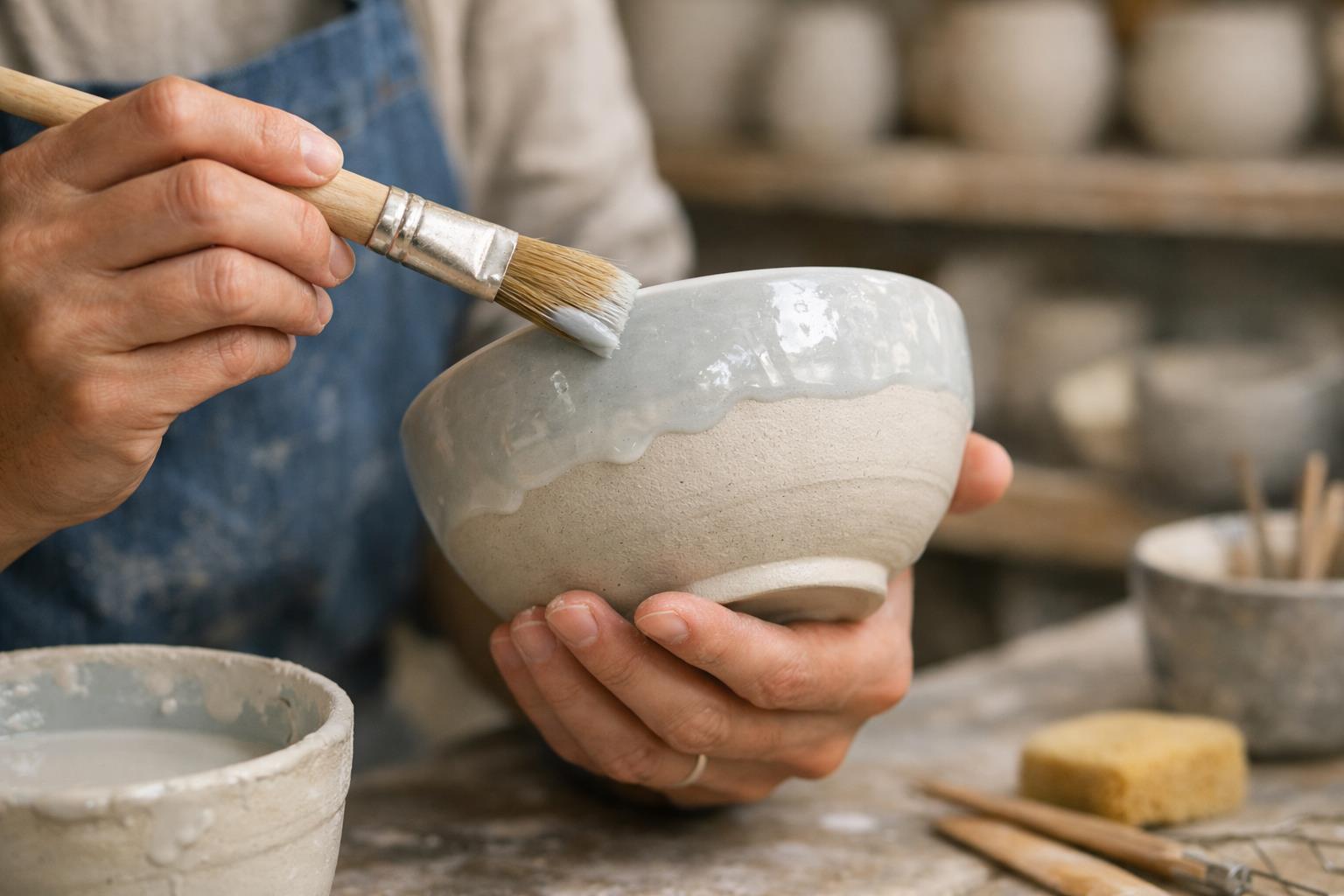
Ceramic glazing is the process of applying a glass forming coating to fired or unfired clay, then melting it in a kiln at controlled temperatures to seal and protect the ceramic body. Ceramic glazing techniques are the key to achieving durable, food safe, and visually consistent ceramic products.
Whether you are holding a coffee mug at your desk or admiring a decorative vase in a hotel lobby, you are likely looking at the magic of ceramic glazing. With over 25 years of manufacturing experience at Dongsheng Ceramic Co. Ltd, we’ve seen how a single layer of glass-like coating can transform a simple piece of clay into a durable, food-safe, and visually stunning product.
But what exactly goes into the glazing process? If you’re wondering how professional manufacturers create smooth finishes, vibrant colors, and long lasting surfaces - you’ve come to the right place looking for answers. For wholesalers, designers, and retailers looking to source high-quality ceramics, understanding ceramic glazing techniques is the key to ensuring product longevity and brand consistency.
In this guide, we’ll break down for you the purpose of ceramic glazing, how different ceramic glazing techniques work, when to use each method, and how professionals prevent common defects in both custom and large scale production. So, without further ado, let’s begin.
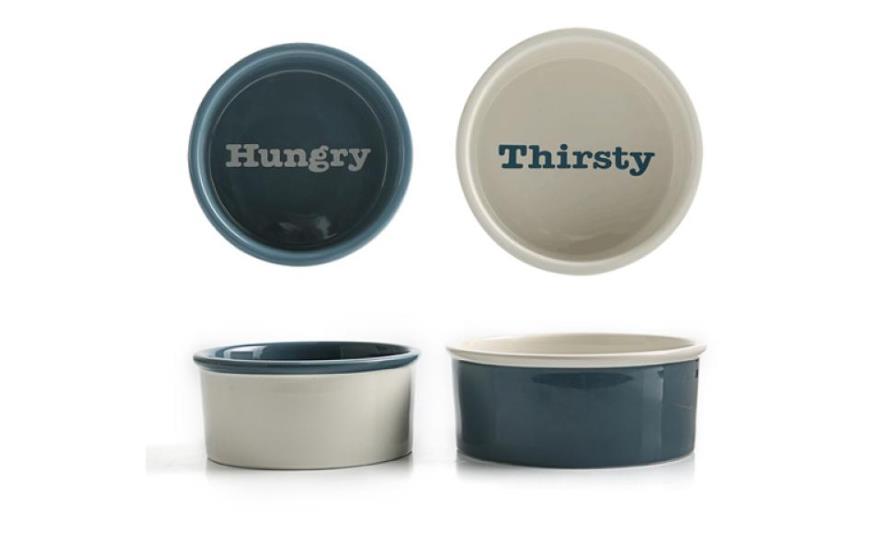
In technical terms, a glaze is a layer of glass fused to a ceramic body through high-temperature firing. Think of it as a protective "skin." In modern manufacturing, glazing isn't just about dipping a pot in paint; it’s a sophisticated chemical process where raw minerals melt and bond with the clay surface to create a non-porous finish.
So, what exactly is the purpose of glazing in functional and decorative ceramics? Glazing serves two primary masters: function and form.
It is a common misconception that the color of a ceramic piece comes from the clay itself. The ceramic body (or "bisque" after the first firing) provides the structure and shape. The glaze is a separate chemical compound applied to that structure. While the body provides the strength to hold weight, the glaze provides the surface resistance to scratches, acids, and water.
| Feature | Ceramic Body (The Skeleton) | Ceramic Glaze (The Skin) |
| Primary Composition | Clay, kaolin, feldspar, and quartz. | Silica (glass), fluxes (to melt), and alumina (to stabilize). |
| Main Function | Provides the shape, structural strength, and weight of the product. | Provides waterproofing, food safety, and aesthetic finish. |
| Porosity | Can be porous (earthenware) or dense (porcelain), depending on firing. | Non-porous; it creates a sealed, glass-like barrier. |
| Texture | Usually matte, earthy, and slightly rough to the touch. | Can be high-gloss, satin, matte, or textured (like "crackle"). |
| Reaction to Heat | Hardens and "sinters" but does not melt. | Melts into a liquid state before cooling into a solid glass. |
| Color Range | Limited to the natural color of the clay (white, grey, red, or buff). | Virtually unlimited through the use of mineral oxides and stains. |
| Cleaning | Difficult to clean if unglazed (absorbs oils and stains). | Easy to wipe clean; resistant to detergents and acids. |
When we work with global partners like Walmart and Disney, the conversation always turns to durability. Glazing is the frontline defense for any ceramic product.
Unglazed ceramic is essentially a hard sponge - it’s porous. Glazing "seals" these pores. This creates a surface that is significantly harder than the clay beneath it, making it resistant to the daily wear and tear of cutlery or industrial dishwashers.
Many people often ask us, “Are ceramic glazes safe for food contact?”
Well, yes, ceramic glazes are safe for food contact, provided they are formulated without lead or cadmium and fired to the correct temperature. For tableware, glazing is non-negotiable. An unglazed plate would absorb oils and bacteria, making it unsanitary. A high-quality glaze creates a vitreous (glass-like) barrier that is impermeable to liquids, ensuring the product remains hygienic and food-safe over years of use.
Glazing is where the personality of the product is born. By adjusting the glaze formula, we can achieve a "crackle" finish for a vintage look, a silky matte finish for modern decor, or a vibrant reactive glaze where no two pieces look exactly alike.
Understanding the chemistry of a glaze helps in predicting how it will behave in the kiln. Every glaze is a balance of three main components:
To move beyond clear glass, we add metallic oxides. Cobalt produces deep blues, copper creates greens or reds, and iron yields earthy browns. Opacifiers like Zirconium are added to make a glaze opaque rather than transparent.
At Dongsheng, our QA/QC teams are obsessed with raw material purity. Even a tiny amount of unplanned iron in a "clear" glaze can turn a batch of white mugs a muddy yellow. Consistency in sourcing is what allows us to match a client's brand colors perfectly across 50,000 units.
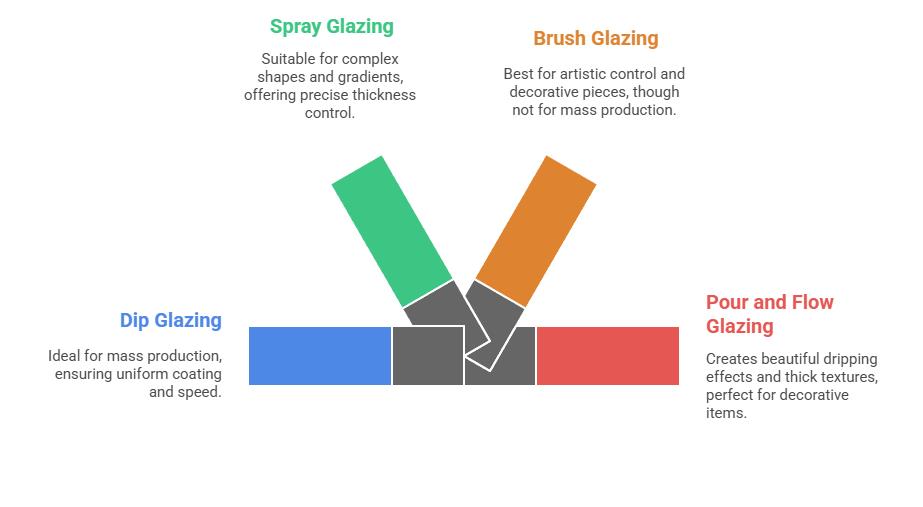
Depending on the design and the production volume, we choose from four primary application methods:
This is the "gold standard" for mass production. A bisque-fired piece is submerged into a large vat of liquid glaze.
Using compressed air and specialized spray guns, the glaze is applied as a fine mist.
Glaze is applied by hand using specialized brushes.
Glaze is poured over the piece or inside a vessel and swirled around.
The transition from raw clay to a finished masterpiece is a disciplined journey.
According to research shared by the American Ceramic Society, glaze formulation and firing accuracy directly impact strength, hygiene, and product lifespan. Temperature is the variable that changes everything.
Even with 25 years of experience, ceramics can be temperamental. Our job is to prevent these common issues:
As a professional manufacturer, we don’t just "make pots" - we solve problems for brands.
A glaze used for a garden pot is fundamentally different from a glaze used for a Disney-licensed coffee mug. We help clients choose the right finish based on whether the product needs to be microwave-safe, dishwasher-safe, or frost-resistant for outdoor use.
Furthermore, large retailers like Target or Michael's require strict color matching. We use laboratory-grade testing to ensure that the "brand red" on a production run of 10,000 units is identical to the approved sample.
Quality isn't an accident; it's a system. At Dongsheng, we maintain a strict QA/QC team that monitors:
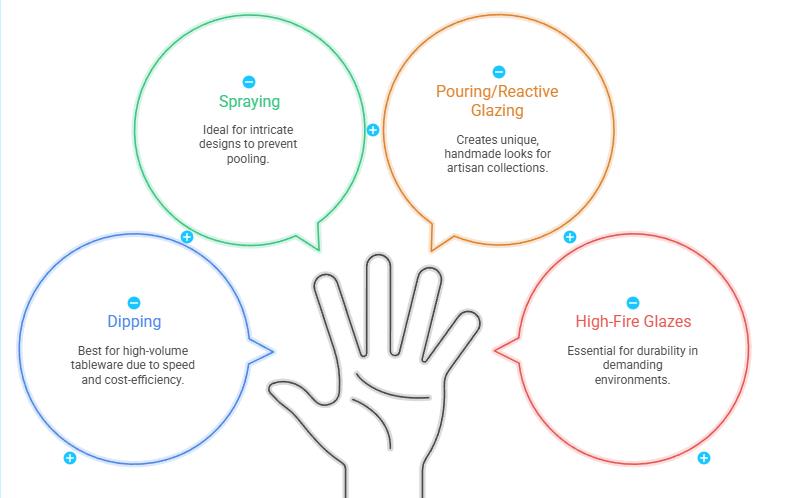
Selecting the right ceramic glazing technique depends on how the product will be used, how it should look, and how it will be produced. There is no single best method for every project. The right choice comes from matching technical needs with practical goals.
Sustainability and safety are now central considerations in modern ceramic glazing. Manufacturers and buyers alike are paying closer attention to how glazes impact health, the environment, and long term product use.
Ceramic glazing technology is advancing rapidly as manufacturers invest in smarter, cleaner, and more precise production methods. One of the most noticeable shifts is the increased use of automation and digitally controlled glazing systems.
Automated spray lines and computer guided thickness control help reduce material waste while improving consistency across large production runs. This level of precision is especially important for custom and private label orders where color accuracy and surface uniformity must remain consistent from sample to mass production.
Another key trend is the growing demand for advanced surface effects and functional glazes. Matte finishes, reactive glazes, and layered textures are becoming more popular as brands look to differentiate their products in competitive markets.
At the same time, functional glaze developments such as improved scratch resistance, heat tolerance, and easier cleaning are adding real performance value beyond appearance. These innovations allow ceramic products to meet higher expectations for durability and everyday use.
Sustainability is also shaping the future of ceramic glazing. Energy efficient kilns, optimized firing cycles, and environmentally responsible glaze formulations are helping manufacturers reduce environmental impact while maintaining quality.
As technology continues to evolve, ceramic glazing will remain a critical area where craftsmanship, material science, and innovation come together to define the next generation of ceramic products.
Ceramic glazing is where science meets art. It is the difference between a product that sits on a shelf and one that becomes a household staple. With over 25 years of experience, Dongsheng Ceramic Co. Ltd combines the wisdom of traditional craftsmanship with the precision of modern industrial standards.
Whether you are looking for high-volume OEM production or a bespoke custom design, our commitment to quality and transparency ensures your vision is realized exactly as intended. Explore our exclusive ceramic products collection from our catalog to see how professional glazing elevates design and performance.
Are you ready to bring your ceramic designs to life with professional-grade glazing? Contact our team today to discuss your project requirements or to request a sample. Our team is always ready to support your ceramic customization needs.
2026-04-02
2026-04-02
2026-01-19
2026-01-19
2025-12-17
2025-12-17
2025-12-04
2025-12-04