

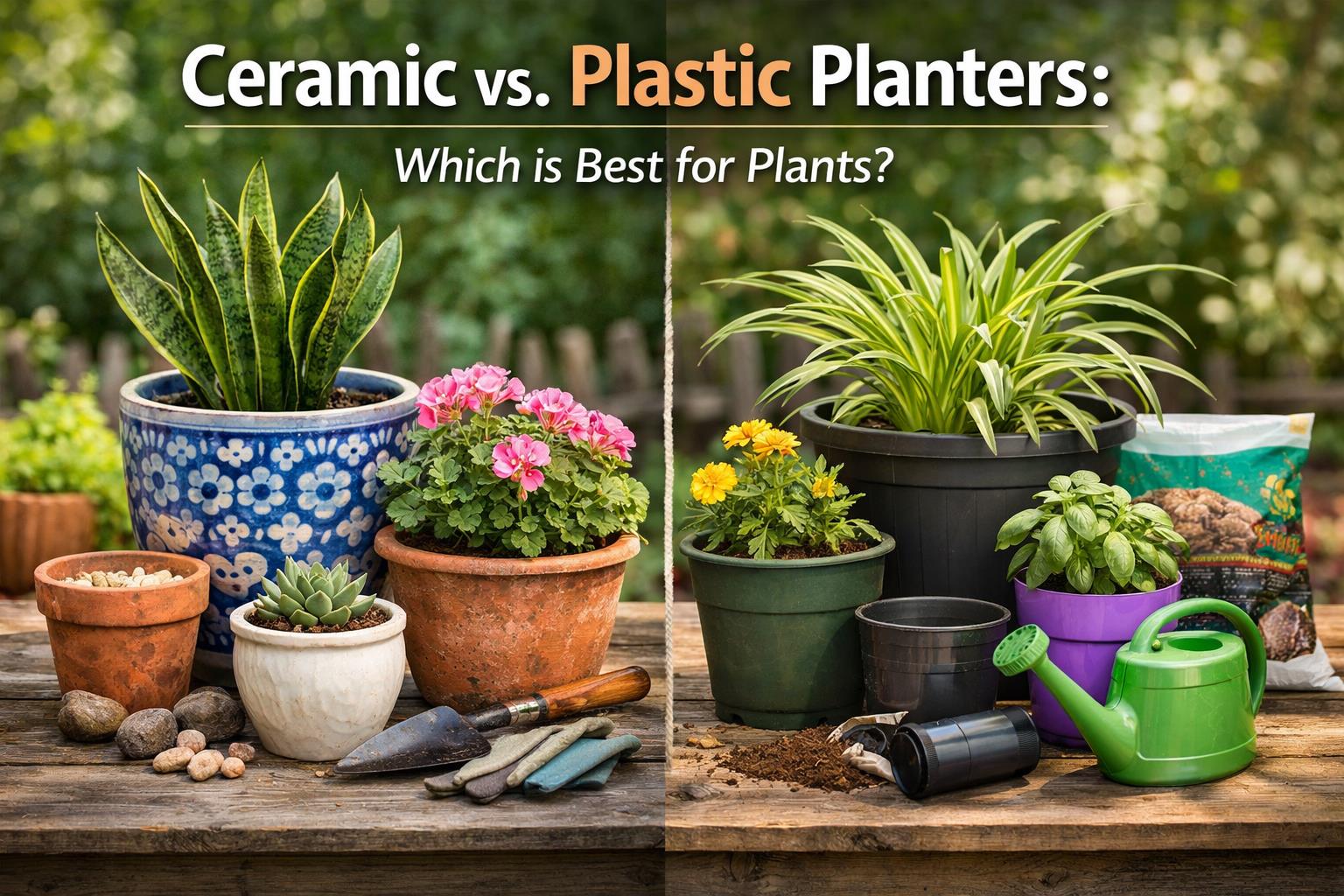
The University of Illinois Extension highlights that ceramic planters tend to last longer than plastic ones, especially in outdoor environments, due to their sturdier construction and UV resistance
Ceramic planters are decorative containers made from clay that has been fired at high temperatures, giving them a hard, durable surface. These planters are known for their aesthetic appeal, making them a popular choice for indoor and outdoor gardening. They come in a variety of shapes, sizes, colors, and finishes, allowing them to complement various home decor styles. Ceramic planters can be glazed or unglazed, with glazed options offering a smooth, glossy finish, while unglazed ones tend to have a more rustic, earthy feel.
What makes ceramic planters particularly attractive is their ability to regulate moisture. The material is porous, allowing water to evaporate slowly, which helps prevent overwatering and promotes healthy root growth. This characteristic makes ceramic planters especially beneficial for plants like succulents and cacti, which require well-drained soil.
Plastic planters are a popular choice for gardeners and plant enthusiasts due to their affordability, lightweight nature, and variety of designs. They are made from different types of plastic, including polyethylene and polypropylene, and are designed to be durable and versatile. Unlike ceramic planters, plastic ones are not porous, meaning they retain moisture better, which can be beneficial for certain types of plants. However, this lack of breathability can sometimes be a drawback for plants that require well-drained soil.
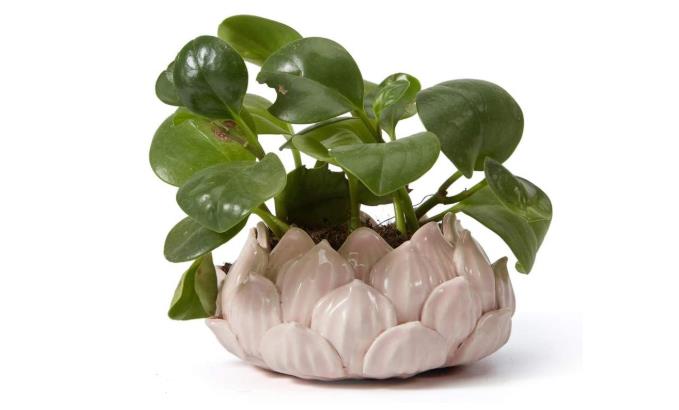
When choosing between ceramic and plastic planters, you might wonder which type will truly benefit your plants in the long run. While both have their merits, each material comes with distinct characteristics that can influence the health of your plants, your budget, and your home decor. Let’s dive into the key differences between ceramic and plastic planters, so you can make a well-informed decision for your plants.
Ceramic planters are generally known for their durability and long lifespan. These planters are made from high-fired clay and can withstand significant wear and tear. On the other hand, plastic planters, while lighter and more affordable, are more prone to degradation over time, especially under direct sunlight.
Ceramic Planters:
Plastic Planters:
Pro Tip: If you're placing planters outdoors in areas with direct sunlight, ceramic planters are more durable in the long run. However, if you plan to move your planters often or need lightweight options, plastic is the way to go.
When it comes to aesthetics, ceramic planters are the undisputed winners. Their classic look, available in various colors, glazes, and shapes, elevates the visual appeal of any space. Whether you're styling your living room, balcony, or office, ceramic planters add a touch of elegance and luxury.
Ceramic Planters:
Plastic Planters:
Did you know? Studies show that 72% of people choose ceramic planters for their homes due to the aesthetic value they add to indoor spaces. Meanwhile, plastic planters are often preferred for their practical, no-fuss nature in outdoor gardens.
Water retention and drainage are crucial factors to consider when choosing a planter. Too much water retention can cause root rot, while insufficient moisture can dry out your plants. Let’s compare how ceramic and plastic planters handle moisture.
Ceramic Planters:
Plastic Planters:
Quick Tip: For plants that need consistent moisture, such as ferns or peace lilies, plastic planters may be your best bet. For plants that require drier soil and good airflow, like succulents, go for ceramic planters.
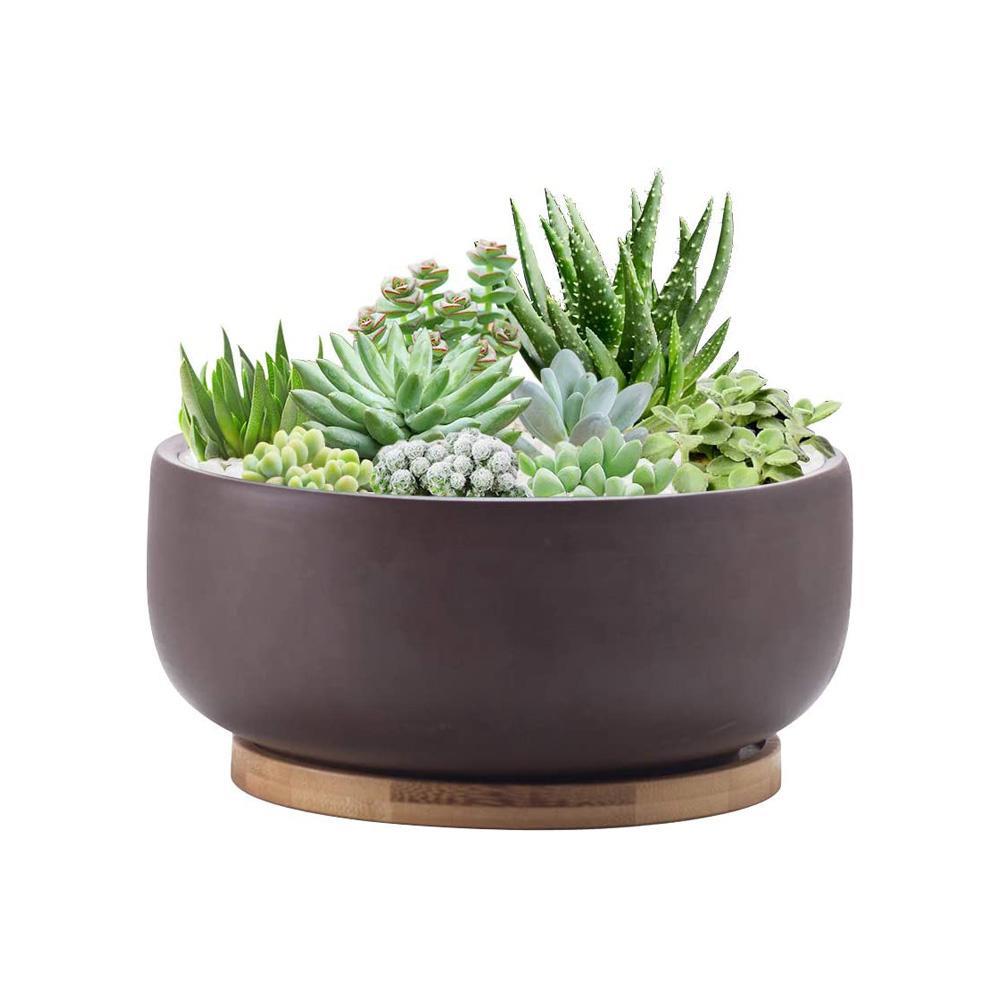
The health of your plant’s roots can be influenced by the type of planter it’s in. Ceramic planters, with their breathability, help roots stay healthy by preventing excessive moisture build-up and promoting airflow. Plastic planters, while offering more moisture retention, may not provide the same air circulation for plant roots.
If you’re growing plants that need air circulation, such as succulents or herbs, ceramic planters are the way to go. For plants that require more consistent moisture levels, such as tropical species, plastic planters will better suit your needs.
Next Steps: Now that you understand the key differences in durability, aesthetics, and moisture control, it’s time to decide which planter is the best choice for your plants. Continue reading to learn more about choosing the perfect planter based on your plant care needs.
Choosing between ceramic and plastic planters depends on several factors that will impact both your plants' health and the overall aesthetic of your space. The decision comes down to your plant’s moisture needs, your budget, and your interior design preferences. Let’s explore the critical factors that can guide your decision:
Climate and Temperature Conditions:
Plant Type:
Maintenance and Care:
| Pros of Ceramic Planters | Cons of Ceramic Planters |
| Aesthetic appeal with elegant designs | Heavier, making them hard to move |
| Good airflow and drainage | Can crack or break easily |
| Long-lasting and durable | More expensive than plastic planters |
| Available in a variety of shapes and finishes | Requires more maintenance (e.g., sealing) |
Proper care and maintenance ensure the longevity of your planters. Here's how to keep both ceramic and plastic planters in top condition:
Caring for Ceramic Planters:
Caring for Plastic Planters:
When choosing between ceramic and plastic planters, consider the specific needs of your plants, your design preferences, and your lifestyle. If you are looking for something that combines both function and beauty, ceramic planters are the way to go. Their elegant designs and breathable nature make them perfect for delicate or decorative plants. However, if you're looking for a lightweight, affordable, and low-maintenance option, plastic planters may be your best bet.
Now that you understand the key differences, browse our collection of ceramic planters and plastic planters to find the perfect match for your plants.
2026-04-02
2026-04-02
2026-01-19
2026-01-19
2025-12-17
2025-12-17
2025-12-04
2025-12-04